I’m an artist, so I’m sensitive about my shit. So sensitive I’ve moonlit as my own nemesis and set up roadblocks and detours for my own ambitions. I’ve been so hell bent on thwarting my own personal “success” that I’ve even devised methods in which to induce nightmares to derail something as innocent as dreams meant to provide a sense of hope in dark times. Somehow artistry became synonymous with sadism in my subconscious and I’ve fought shark tooth and machete to make sure my own work doesn’t bask in daybreak or ride the sound-waves beyond my own inner ear. This immense level of sensitivity is perhaps distilled by the utilitarian nature of my mother’s paternal ancestors as logical innovation overrode artistic sensibilities while they fought for survival on their journey to achieve the “American Dream.” However, what can be more American than dreaming beyond inhibition and logic? The American Dream doesn’t sustain without the dream.
While my mother’s paternal lineage relied on diligent blue collar hustle to make ends meet and eventually secure their fortune, her maternal side seemed to be comfortable in their poverty if it meant enjoying the simple pleasures of life. Perhaps the privilege of Swedish, German, and Irish descent played a critical role in this mentality, but nonetheless, their legacy didn’t rely so much on monetary wealth as much as it did the arts. To be specific, the greatest gift that could be passed down from one generation to the next was not only a boundless passion for music but the ability to create it. On down the line, from the fingertips of one generation to the next, everyone from the Petrees to the Estradas had the gift of bringing 88 black and white keys to life in such a vibrant manner that the worries and woes of living were drowned out and forgotten until the reverberation of the final chord struck had stilled back into silence. A gift of the ears would become a curse of the heart that has plagued me since my adolescence.
For some reason unknown to me, even to this very day, a dissonance of the keys was struck and the legacy of concert pianism skipped over the Rollolazo generation in the branch of the family tree that I sprouted from. While my grandfather’s girls played various woodwind instruments, none of them seemed to embrace the keys the way their maternal predecessors had. Maybe survival, maybe some sort of childhood trauma all of us sustains in way or another, but the gift seemed to sweep over and gain enough momentum to knock me clear the fuck out by the time I sang my first note in the form of a cry as I exited the confines of my mother’s womb. By the time I was born, grandpa was hellbent on having his own live-in Beethoven. But while he was seeking ‘Odes to Joy’, I was cultivating a level of moodiness best expressed by the nocturnes of Chopin.
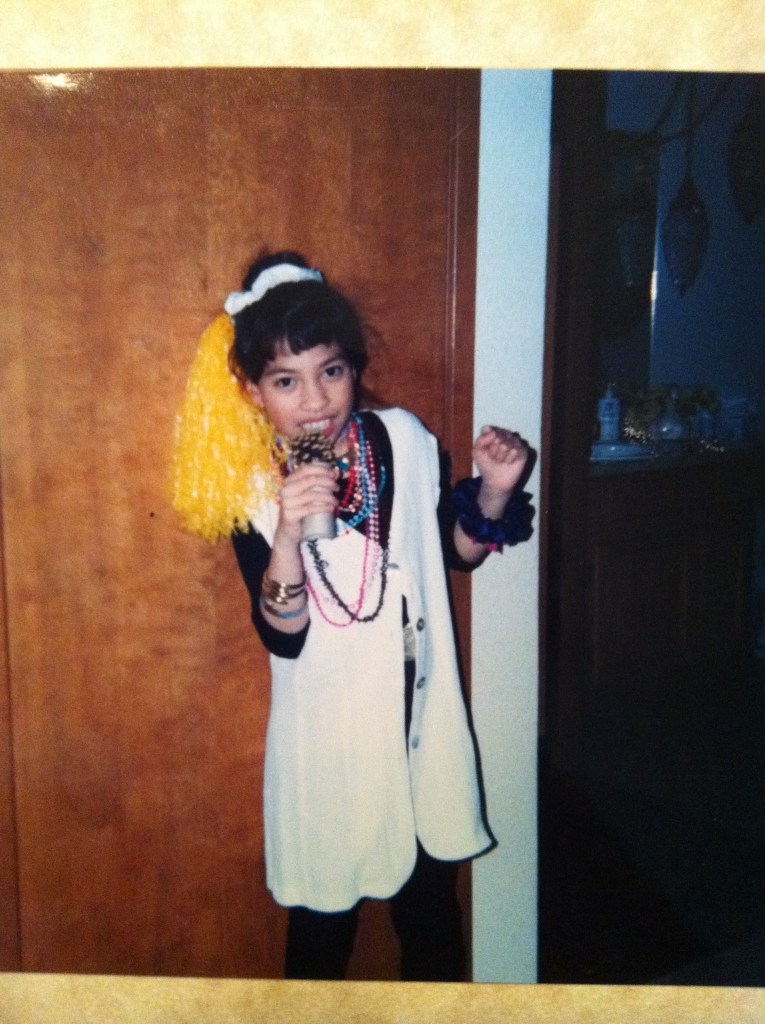
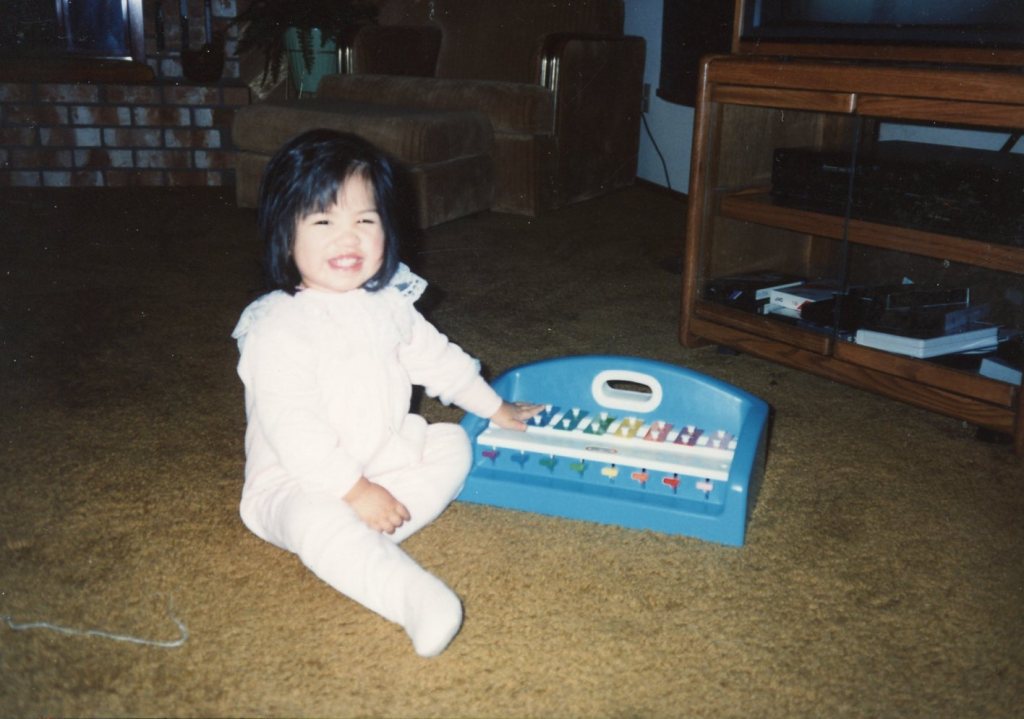
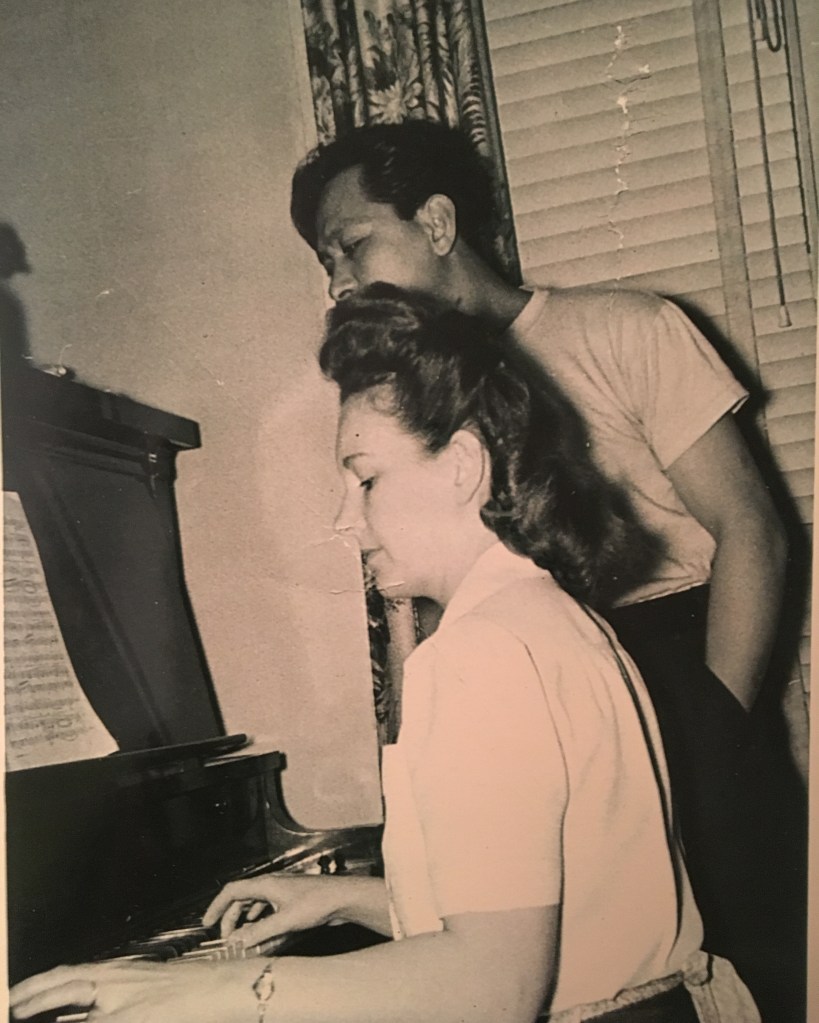
Although captivated from a young age by the way my grandmother so elegantly and effortlessly brought those 88 keys to life, I initially fought the piano as tough as my grandfather’s family fought to come to America. The piano served as something of a Monet for me. Beautiful from a distance but a heap of a mess trying to navigate as my baby hands struggled to stroke a cohesive melody from them. I could hear the music. I could see the music gliding through my grandmother’s fingertips, but I couldn’t create the music. Not in that way at least for a decent chunk of my early years. The most organic way music found me was through the chords produced by the voice, not by the keys. Through years of trials and insecurities, I devoted the best (or at least what I consider the best parts of me) to the study of voice until life and trauma struck me in ways nothing could prepare me for. Around the age of 25, I set aside my vocal studies and aspirations in the way someone stores their dark secrets in a padlocked mini casket in the deepest bowels of an attic. In retrospect, doing that was a way of suppressing the most chaotic parts of myself so that I could survive a time in which music couldn’t seem to save me the way it could the Petrees or the Estradas. No matter how hard I struck at the keys or how mellifluously poems of pain sprang from my lips, teeth, and tongue.
For a time, I wouldn’t let music heal or follow me despite how frequently it tapped me on the shoulder and asked me if we could have one last dance for old time’s sake. What good could music be to me in a world I’d manifested in which only logic, strategy, and law could exist? In the wake of my great grandmother’s 12th sunset anniversary, and at the crossroads of a very bewildering moment in my life personally and professionally, I remembered not only the gift I’d inherited from her, but the wisdom she left me in the hopes I’d never surrender loyalty to her legacy. Music not only sustains us, it’s how we can give love and joy to others and in turn, how we can administer those very things to ourselves. Music is as critical as food, water, and shelter, and is a show of love as much as a hug or a kiss. As I begin to heal the deepest wounds life has inflicted on me over the years, I am turning my attention back to music remiss of the expectation it is to be anything greater than a thing of beauty and a soundtrack to life.
 My Ambitions Az a HOYA